Secondary school, first year - the kit that changes and the kit that does not
The jump to secondary changes the bag, the shoes and the tech, and almost nothing else. What actually needs replacing for the first year.
When you shop through links in this article, TOSE may earn a commission and members earn cashback.
Secondary school is the first shopping list your child will have opinions about.
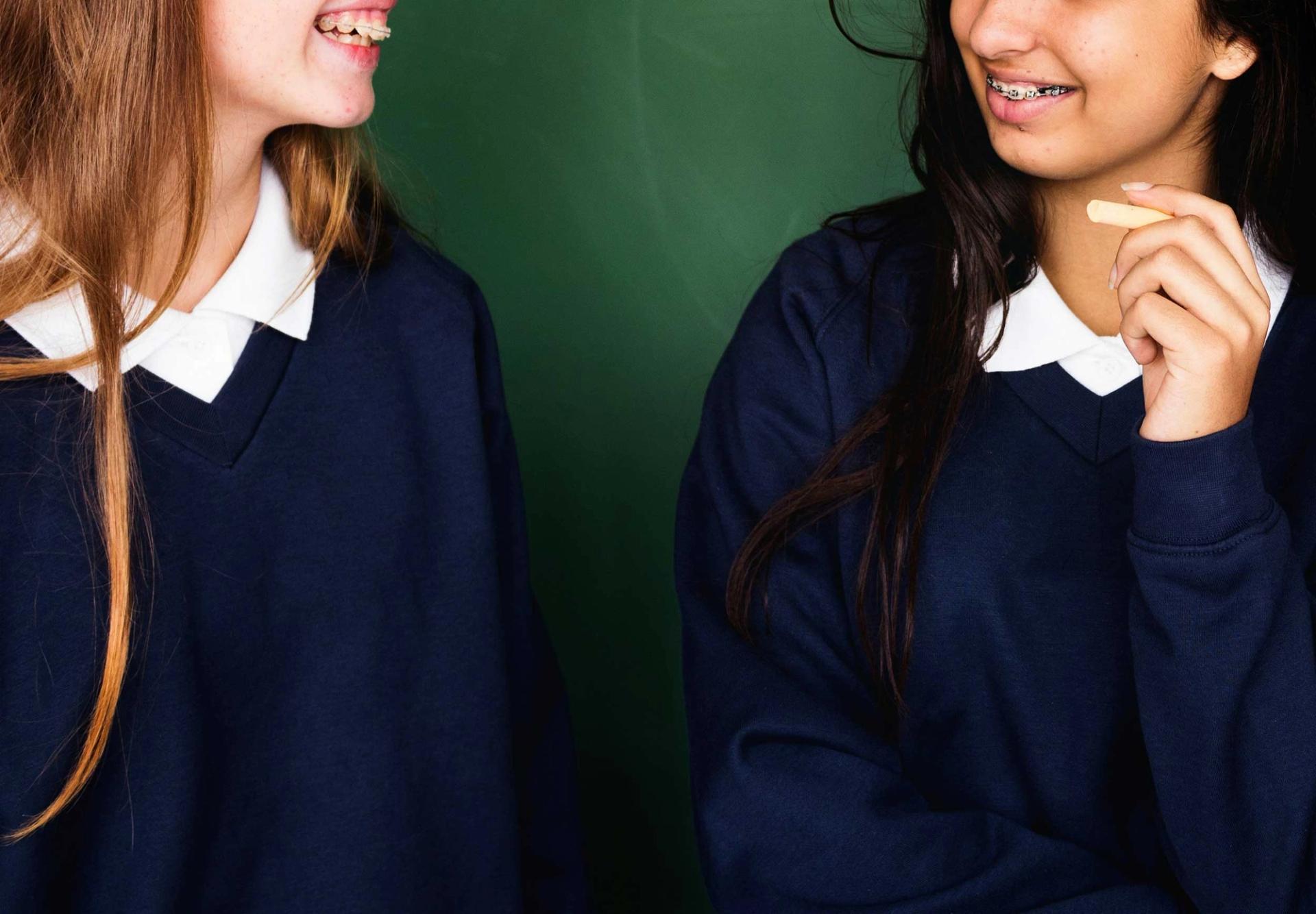
Reception was a list you executed. This one is a negotiation, conducted in aisles, about bags and shoes and precisely which shade of black counts as black, with a co-signatory who has spent the summer becoming eleven. That change in the shopper matters more than any change in the shopping, and most of what follows hangs off it.
The kit itself changes less than the retail season implies. Three things genuinely transform. The rest is the uniform logic you already know, wearing a bigger size.
In brief
The jump to secondary genuinely changes three things: the bag becomes a structural purchase built around an A4 folder, stationery finally has a real job, and the distances change what the shoes are for. What has not changed is the uniform economics, badge tax and all, the labelling rule, which matters more now rather than less, and the wisdom of buying only half the uniform in August. Wait for the school's own September list before buying calculators, devices or any specified equipment.
What actually changes at secondary school
Three things change materially: the bag becomes load-bearing, stationery becomes real, and the day gets longer and further away. Everything else on the retail season's list is either primary-school logic in larger sizes or equipment the school will specify itself in September.
The bag is now a structural purchase. A secondary bag carries A4 folders, a PE kit, a water bottle, lunch and occasionally a musical instrument, five days a week, often across real distances. The test is not the brand and was never going to be, though you will hear otherwise from the co-signatory. The test is the folder: an A4 ring binder must go in flat and come out unmangled, the straps must be padded and stitched rather than glued, and the base seam must look like it expects the job. A bag that fails the folder test fails the year, whatever it cost, and this is the one purchase where the cheap version genuinely fails first, at the straps, in November.
Stationery finally has a job. The pencil case we banished from the reception list returns with employment, because secondary students equip themselves: pens that will be lost, a genuine supply line of them, and the working kit the timetable demands. This is Papier's natural territory, and the useful reframe for the negotiation is that stationery is the cheapest place in the entire list to let an eleven-year-old's taste win. Let the pencil case be the self-expression. It costs less than the bag argument.
The distances change the shoes. Secondary means walking: to the bus, between buildings, home the long way with new people. School shoes now have the job of trainers with the appearance of formality, and the fitting still matters at eleven for the same growing-feet reasons it did at four, with one addition: the veto. Shoes the child hates are shoes carried in the bag.
What this means: fund the bag properly, surrender the pencil case gladly, and fit the shoes with the wearer's vote counted.
The uniform, carried over with one addition
Everything the budget piece establishes survives the transfer intact: the badge is still the price, the money still goes where the abrasion goes, the second-hand rail still exists and is still the best value in the building, and the label rule hardens rather than relaxes, because a secondary school's lost property operates at industrial scale and a blazer is the most expensive single garment yet to go missing.
The addition is that blazer. It concentrates the entire badge tax into one item, it is worn daily for years, and it is the one uniform piece where the size-up-once rule earns real money, because blazer fit forgives a growing year better than trousers do. Marks and Spencer's secondary range covers the plains around it at the fund-the-fighters end, trousers and knitwear built for the campaign.
And the half-term rule travels too: buy enough to reach October, then buy the rest informed. Year seven is a growing year with opinions attached; August cannot know what October will.
What this means: you already know how to do this part. Do it again, one size louder.
Get money back on what you shop
Members earn cashback when they shop through TOSE, plus checked discount codes and weekly draws. Free, always.
Join freeThe tech question, held correctly
The device question at secondary has a right order of operations, and it starts with a phone call rather than a purchase. Many schools run device schemes, specify models, or provide equipment outright, and the same applies down to the calculator, where departments name the exact model the exam board's rules assume. Buying ahead of those lists is how the wrong thing gets bought confidently.
Where the school's answer leaves a genuine gap, homework needs at home being the usual one, that is a September purchase with a late-September advantage: the succession window our tech piece maps, when new launches drop the outgoing generation properly. A first-term deadline and the calendar's best tech moment happen to be neighbours. Currys will be selling both generations side by side while you check the school's list twice.
What this means: the school's list first, the gap second, the late-September window third. In that order, the tech budget buys more and buys once.
The part the list cannot carry, again
The reception piece ends on independence, and the secondary version is the same truth at a different altitude. The kit that matters most in September is the child knowing the bus route, holding their own timetable, owning a key, managing lunch money, and having permission to get things slightly wrong for a fortnight. All of it costs nothing and none of it fits in a bag, however well the straps are stitched.
Reception buys for the child's hands. Secondary buys with the child's opinion. The list in between is shorter than the aisle says.
Where this leaves you
Three real changes: the bag, built around a folder; the stationery, surrendered as territory; the shoes, fitted with a vote. The uniform runs on rules you already own, the tech waits for the school's September lists and the late-September window, and the fresh start the season keeps selling arrives on its own, free, sometime around the second week, on a bus you are not on.
Common questions
Three things genuinely change from primary: a bag built to carry A4 folders and a PE kit daily, real working stationery, and shoes fitted for longer distances. Uniform follows the same economics as primary, and specified equipment such as calculators and devices should wait for the school's own September lists, which name exact models.