The hair mask edit
How to choose a hair mask that suits your hair, and a short edit of treatments worth trying, from budget to indulgent, currently stocked at Boots.
When you shop through links in this article, TOSE may earn a commission and members earn cashback.
The hair mask occupies a strange place on the bathroom shelf: bought in optimism, used twice, then left to watch the conditioner do all the work. Which is a waste, because a mask is the one step in a hair routine where ten extra minutes genuinely shows, provided it is the right one, and most disappointments trace back to that word rather than to the category.
Begin with the result you want. Dry or frizz-prone hair may benefit from a richer conditioning mask; fragile, bleached or heat-damaged hair may suit a treatment marketed for strengthening or repair. Bond-repair products sit slightly apart: they are sold to address damage from colouring, bleaching and heat, but the formulas and routines vary considerably, so this is one category in which the instructions matter more than the word "mask". Hair rarely fits one neat diagnosis, so the label, and how the hair responds, matters more than an online test.
A short edit across the price ladder, centred on ranges found at Boots and LOOKFANTASTIC at the time of checking. Availability naturally shifts, so treat the names as a starting shortlist rather than a fixed prescription. For conventional masks, Garnier Hair Food and Aussie offer accessible starting points; SheaMoisture, L'Oréal Elvive and Kérastase cover richer and more targeted treatments, and L'Oréal Professionnel's Absolut Repair Molecular Rinse-Off Mask brings the peptide school to the rinse-off shelf. Olaplex No.3 Plus sits apart from the rinse-out masks: a pre-shampoo treatment with its own routine. None of these needs to be permanent; hair changes with the season, the colour appointment and the thermostat, and the shelf can change with it.
Using one well begins with reading the instructions, because "hair mask" now covers several different rituals. A conventional rinse-out mask usually follows shampoo and concentrates on the mid-lengths and ends; keep rich conditioning masks mainly there unless the product is intended for the scalp. Olaplex No.3 Plus goes on before shampoo; rinse-off repair masks such as Absolut Repair Molecular follow their own instructions on timing and on what to use, or skip, alongside them. Use the amount, timing and frequency the product specifies, then adjust only if your hair becomes heavy, coated or difficult to style. A wide-tooth comb can help distribute a conventional mask, provided the label permits it.
How often, and how to tell you have overdone it
Frequency is where routines most often drift, in one direction or the other.
Many conventional masks suggest weekly use, but frequency should follow the label and the way the hair responds. Fine hair may need less product or less frequent use, or the mask kept to the ends only, because the quantity that rescues thick hair can flatten fine hair at the root. Very dry, coarse or tightly coiled hair may tolerate more, and the label remains a better guide than any general rule.
If the hair feels coated, unusually heavy or difficult to style after treatment, use less product, keep it farther from the roots or increase the time between applications, changing one part of the routine at a time, since changing everything at once tells you nothing about which change worked.
If the ends remain rough or difficult to detangle, a richer conditioner or mask may be worth trying. These signs are not diagnoses, and hair that changes suddenly without an obvious cause deserves a rethink of the routine rather than simply more product.

Scalp and lengths are two different problems
It is worth separating them, because a single product rarely serves both and treating them as one problem is why some routines feel like they are working against themselves.
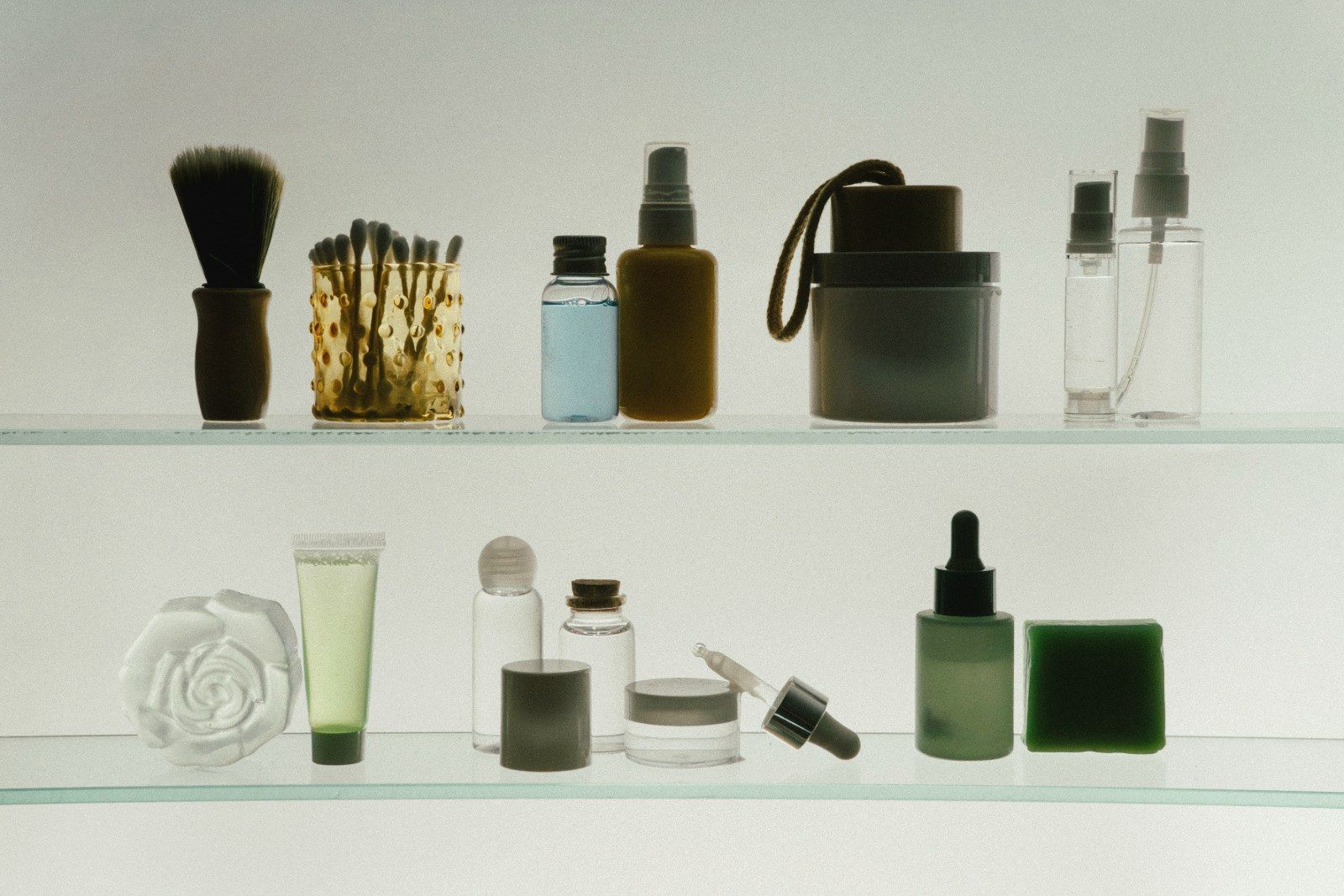
The lengths are the old part of the hair. They have been through every wash, every dry and every colour appointment, and they cannot repair themselves, so a mask is doing maintenance: reducing friction, keeping the cuticle smoother, making combing less destructive.
The scalp is skin, and behaves like skin. It responds to entirely different products, and a rich conditioning mask sitting on it can leave hair looking greasy at the root within a day while the ends stay dry. Unless a product specifically says it is for the scalp, keeping it from the mid-lengths down is usually the more comfortable choice.
What "bond repair" is claiming, and what it is not
The bond-repair category has grown quickly, and the marketing language around it moves faster than the evidence a shopper can check.
Bond-repair products are marketed differently from ordinary conditioning masks, and their application routines vary considerably, which is why some go on before shampoo and others take the place of the ordinary conditioning step. The routine is part of the product, not an accessory to it.
What follows practically is simple enough. Do not treat a bond-repair product as an ordinary mask, and there is no advantage in assuming that several repair treatments layered together will produce a better result; follow the individual routine rather than improvising a compound one. Nor is repair a substitute for conditioning where the hair is simply dry rather than damaged. Damage and dryness are different complaints, and they respond to different products.
Heat, towels and the small mechanics
A few habits sit around the mask and change how much it appears to do.
There is no need to add heat unless the product specifically recommends it.
Squeeze excess water from the hair before applying a rinse-out mask, since a product applied to soaking hair is diluted before it starts. Comb it through with a wide-tooth comb where the label allows, because even distribution matters more than quantity. Rinse for longer than feels necessary, as residue is a common cause of the heaviness people blame on the formula.
One honest note to close, since the internet promises otherwise: a mask conditions the hair you have; it does not make new hair grow. What it can do is reduce dryness, friction and breakage, helping the lengths you already have remain in better condition, which, over time, may look rather like more hair, and comes with better Sundays attached.